Winter Salt and Your Paint: What Anchorage Drivers Should Know
January 14, 2026 · 5 min read
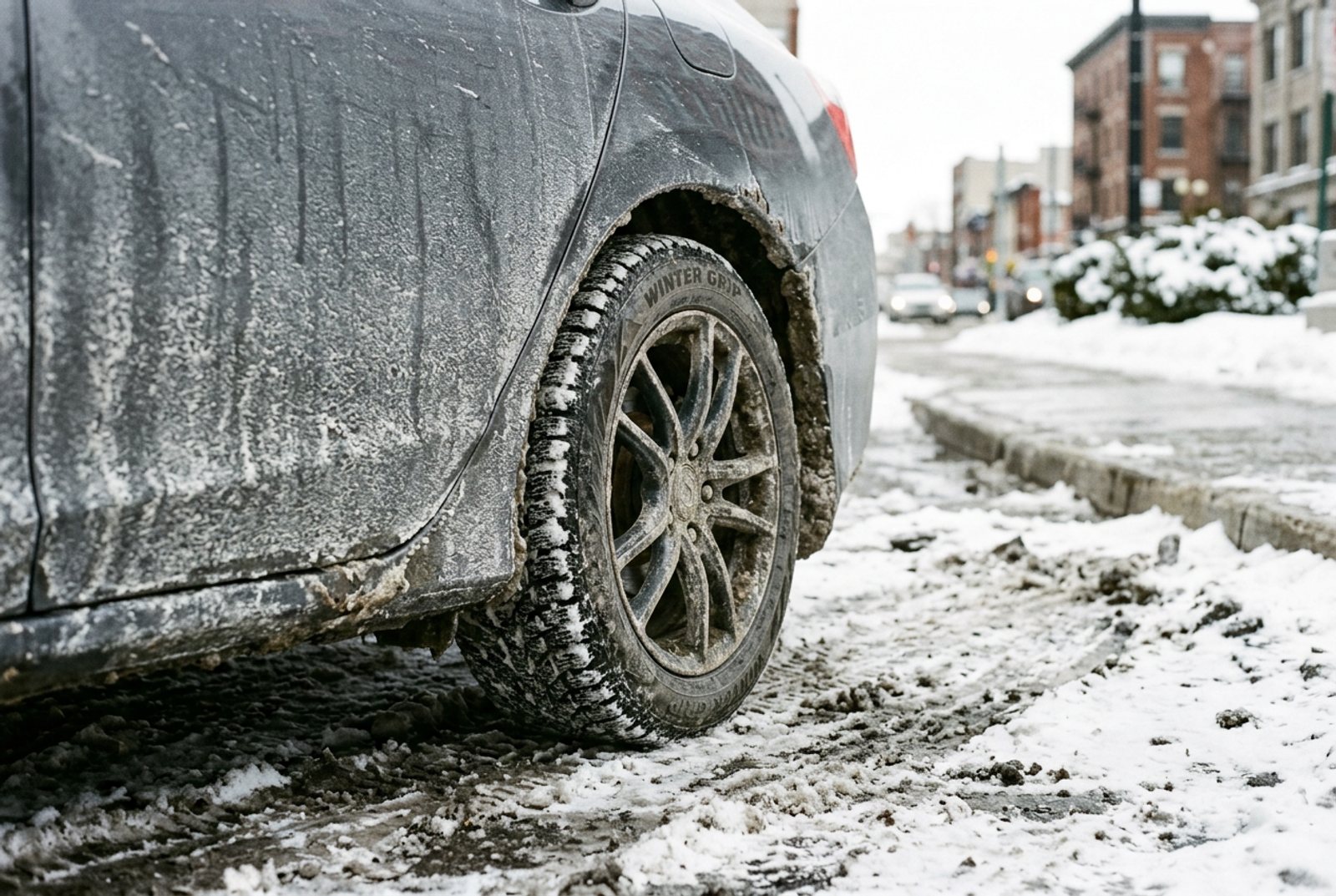
Anchorage winters put a specific kind of stress on a vehicle. It isn't just cold — it's the combination of brine treatments on the roads, gravel thrown at the lower panels, and repeated freeze-thaw cycles that drive moisture into seams, jambs and undercarriage cavities.
The chemicals used to keep the Seward Highway drivable are effective because they stay wet at low temperatures. That's also why they keep working on your paint, your brake lines and your fasteners long after you've parked. Rinsing a vehicle once in February is not the same as maintaining it.
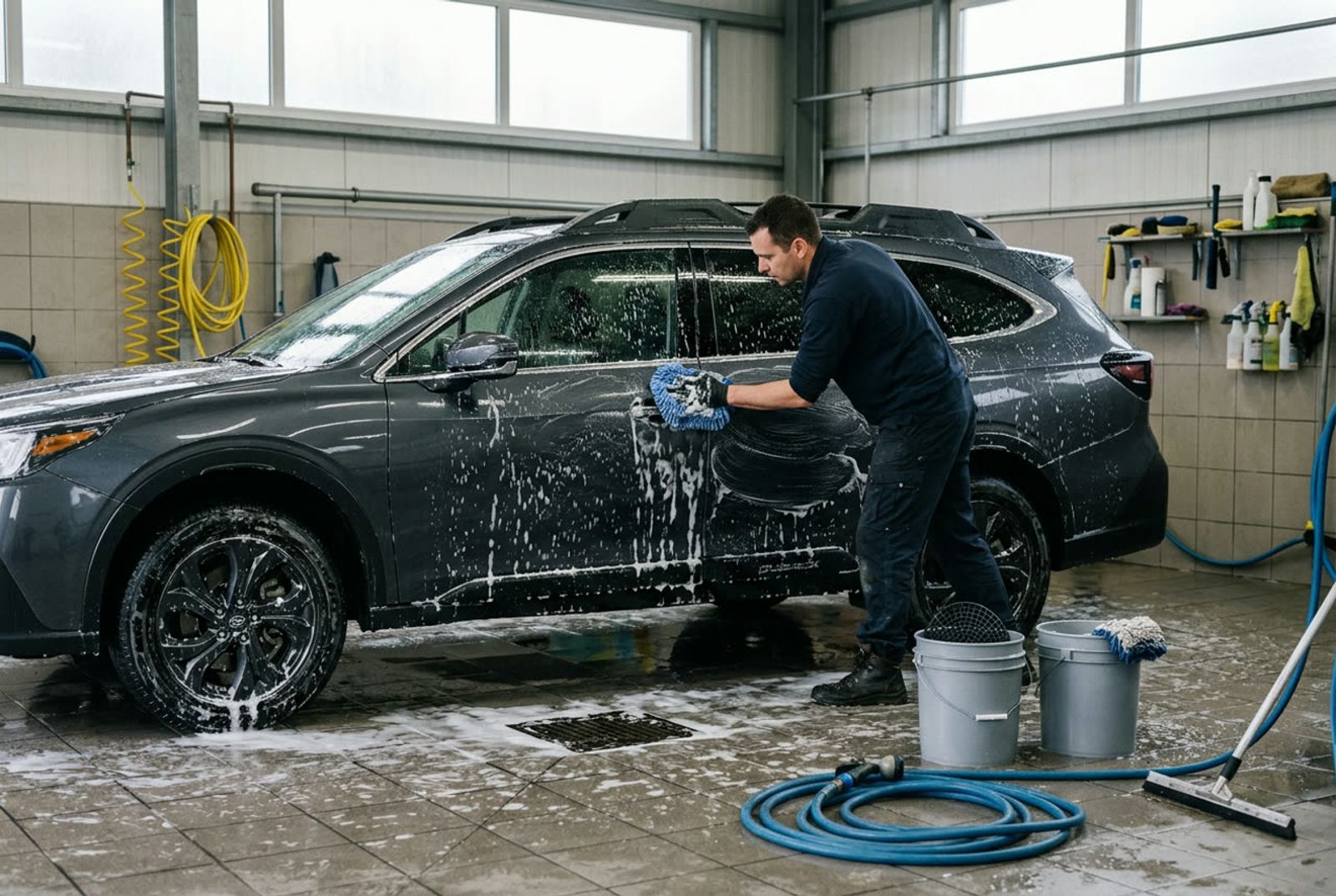
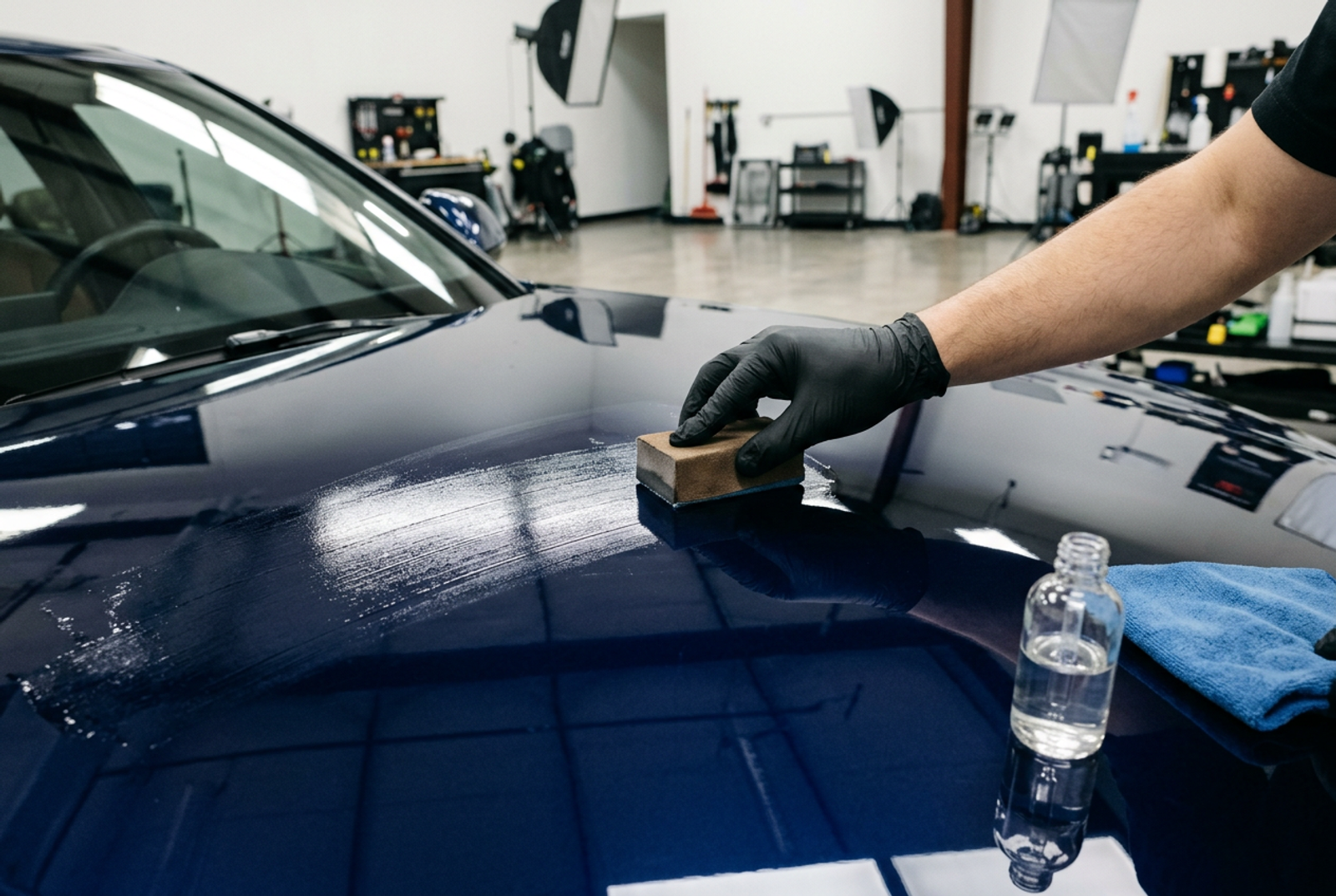
What actually helps is a slick, sealed surface. When paint has a fresh sealant or a ceramic coating on it, salt and road film have far less to grab onto, and a maintenance wash removes most of it without aggressive scrubbing. Aggressive scrubbing on a dirty winter vehicle is where most swirl marks come from.
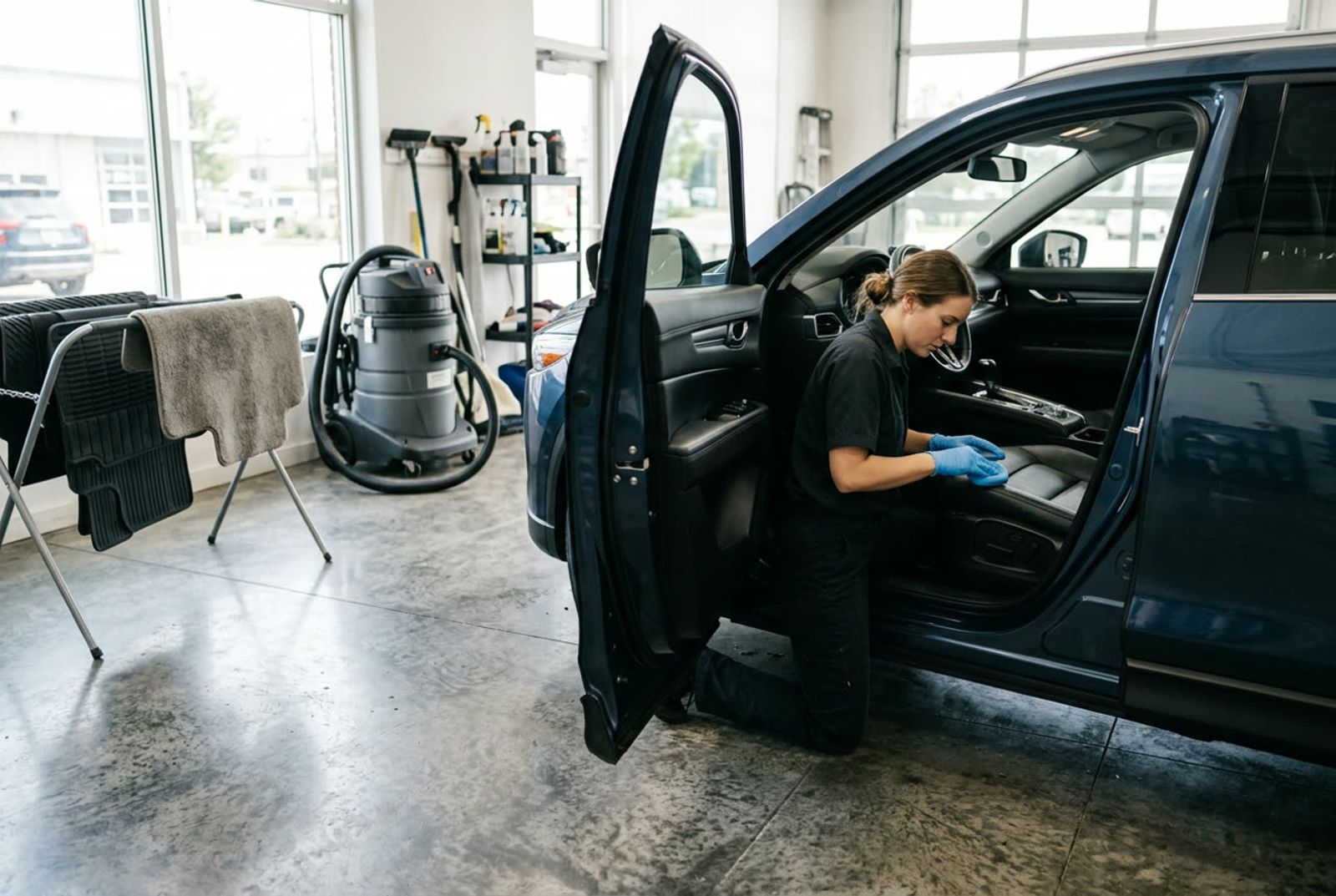
The other half of the job is the parts nobody photographs: door jambs, the fuel filler area, wheel wells and the undercarriage. Flushing those is unglamorous and it's the difference between a five-year-old truck that looks maintained and one that doesn't.
If you only do two things a year in Anchorage, do this: seal the vehicle before the first hard freeze, and strip the winter off it properly in spring. Everything else is easier after that.